
50+ Nonprofit Event Partnership Ideas That Raised $500K+ (Real Examples From 2025)

In 2025, something remarkable happened in the nonprofit sector: organizations stopped competing for the same donors and started building bridges instead. The result? A wave of collaborative fundraising events that didn't just meet goals: they shattered them.
This shift didn't happen by accident. Nonprofits realized that when multiple organizations pool their networks, resources, and visibility, everyone wins. Donors get more bang for their buck. Communities see unified impact. And participating organizations raise funds they could never have reached alone.
The proof is in the numbers. Across North America, collaborative nonprofit event partnerships generated over $500K each in 2025, with some multi-organization campaigns breaking seven figures. These weren't isolated miracles: they were the result of strategic planning, shared purpose, and what we call the Bridge Framework: a methodology that turns individual effort into collective momentum.
Let's explore the nonprofit fundraising ideas that transformed the landscape last year, organized by partnership model.
Corporate + Nonprofit Alliance Events
When businesses and nonprofits join forces, the fundraising potential multiplies exponentially. Corporate partners bring brand visibility, employee engagement, and often matching gift programs that can double or triple event revenue.
Retail Partnership Campaigns: The "Stuff the Bus" model pioneered by HEB and Communities In Schools of San Antonio evolved in 2025 into year-round partnership ecosystems. Grocery chains, sporting goods stores, and bookshops created dedicated nonprofit sections where customers could purchase items that went directly to partner organizations. These partnerships raised between $600K-$1.2M annually per location.
Workplace Giving Galas: Companies hosted elegant fundraising dinners on-site, inviting their corporate network while partnering with 3-5 complementary nonprofits. Tech companies in Austin partnered with education, environmental, and arts organizations for quarterly "Impact Showcases" that each raised $750K+.
Cause Marketing Partnerships: Following Ralph Lauren's Pink Pony campaign blueprint, retail brands launched limited-edition product lines with 100% proceeds supporting collaborative nonprofit coalitions. These campaigns combined online sales with launch events that attracted both corporate sponsors and individual donors.
Multi-Organization Community Events
The most successful fundraising event ideas for nonprofits in 2025 weren't single-organization affairs: they were community-wide celebrations that transformed neighborhoods into fundraising powerhouses.
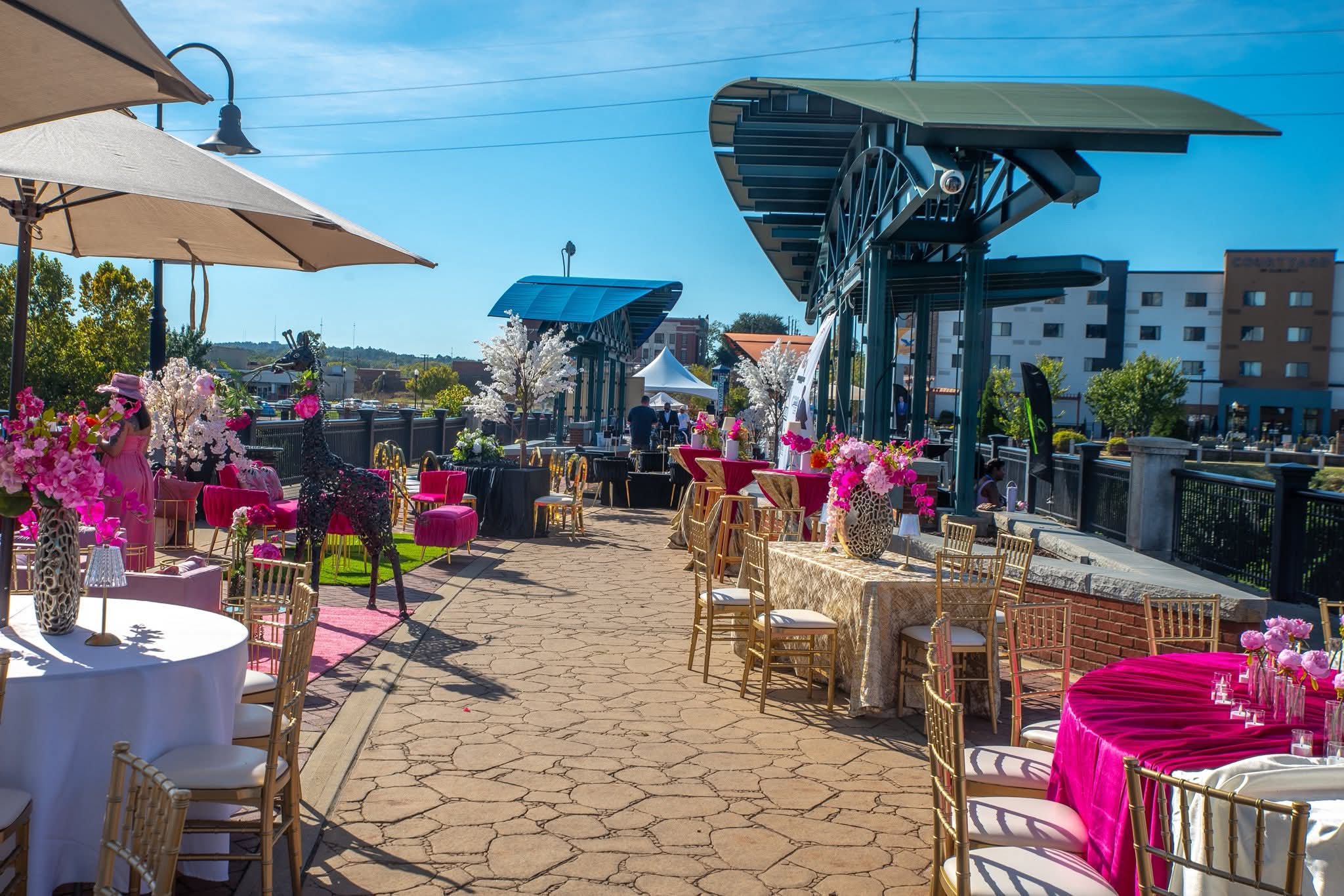
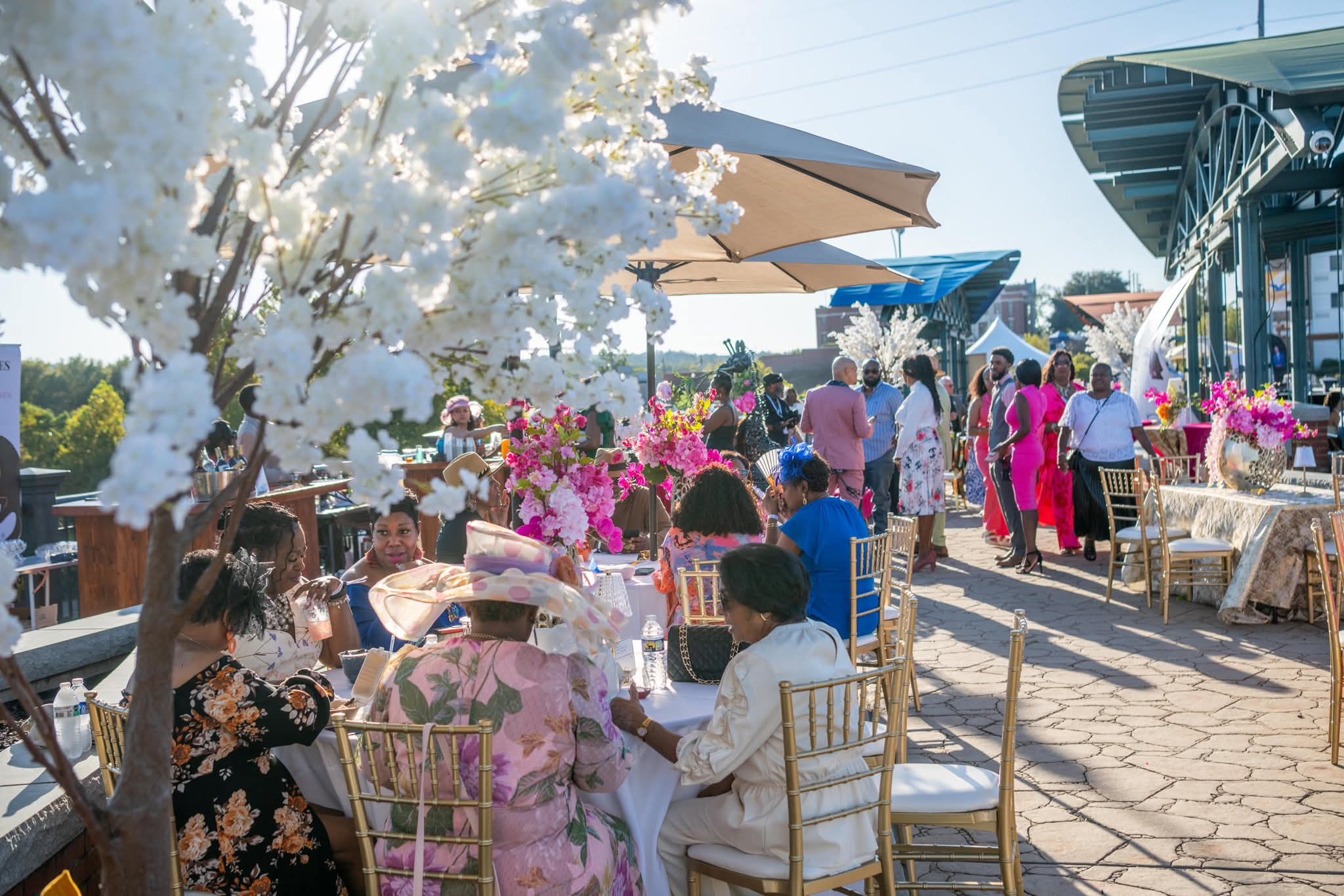
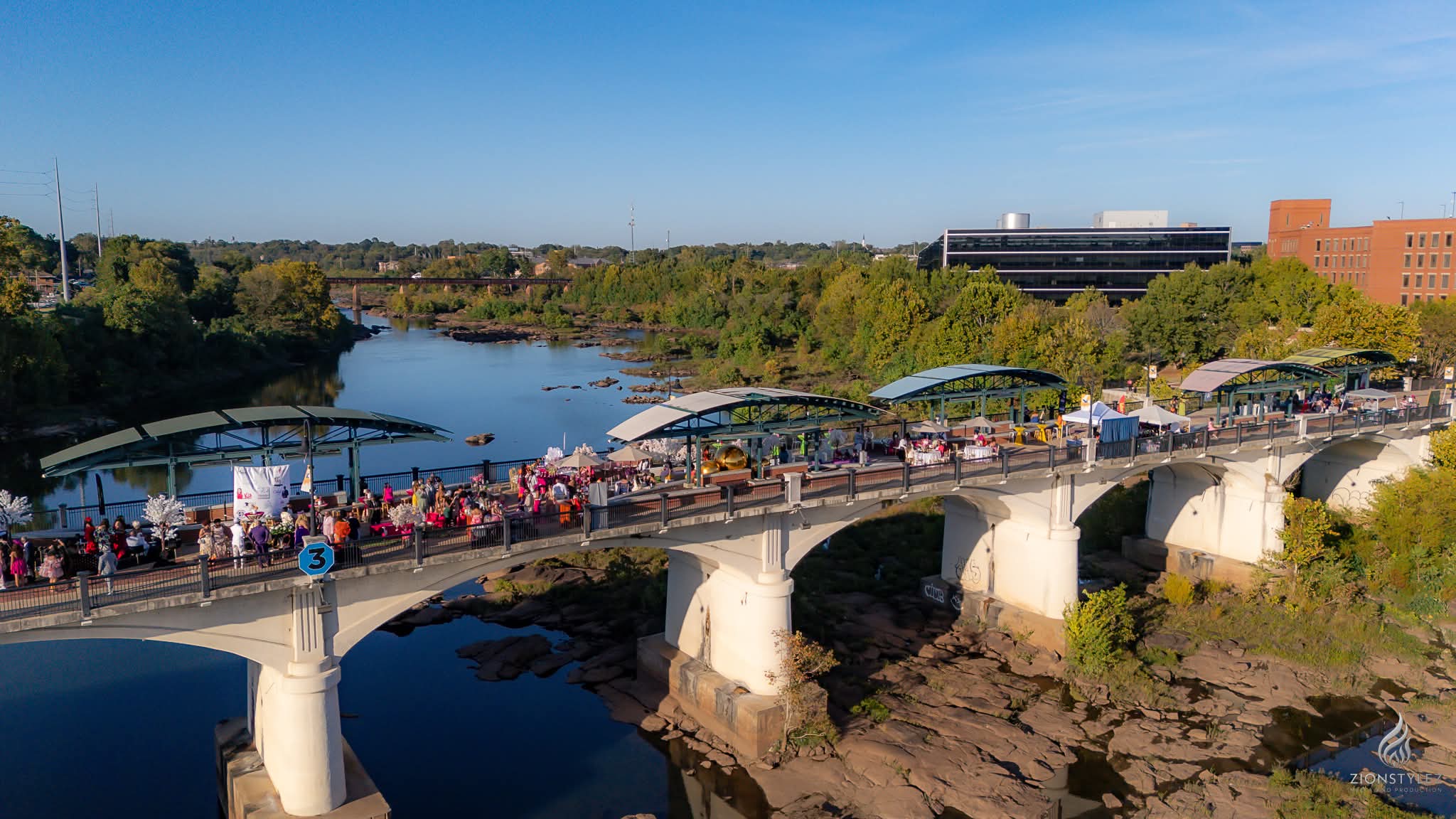
Bridge Festival Series: Cities with waterfront or historic bridges hosted multi-day festivals where 8-12 nonprofits shared booth space, programming, and donor lists. Dallas, Portland, and Charleston each raised over $1M through these unified events, with participating organizations splitting proceeds based on volunteer hours contributed.
Collaborative 5K Series: Instead of competing for the same runners, youth services, health organizations, and environmental groups created quarterly themed runs. Participants could donate to one organization or split their registration across the coalition. Average revenue per event: $500K-$850K.
Food & Culture Festivals: Immigrant services, food banks, and culinary education nonprofits partnered with restaurants for large-scale tasting events. The North Texas Food Bank's mobile distribution partnership model expanded into festival formats that combined food access with fundraising, generating $600K+ per event while distributing over one million pounds of food.
Arts & Education Showcases: Following Chicago A cappella's partnership blueprint, performing arts organizations joined forces with schools and youth development programs. Spring and winter showcases featured student performers, professional artists, and interactive installations, raising $500K-$900K per event.
Educational Institution Partnerships
Universities and schools became nonprofit fundraising hubs in 2025, offering both physical space and engaged audiences hungry for community connection.
Campus Community Days: Universities opened their facilities for day-long nonprofit showcases combining health fairs, career resources, family activities, and entertainment. The UNT Dallas partnership model expanded statewide, with each campus event raising $650K+ while connecting students to volunteer opportunities.
Academic-Nonprofit Research Symposiums: Health, environmental, and social service organizations partnered with university research departments for conferences that attracted foundation funding, corporate sponsors, and individual donors interested in evidence-based impact. These sophisticated events consistently cleared $500K while advancing sector knowledge.
Student-Led Giving Campaigns: Student organizations partnered with local nonprofits for semester-long fundraising competitions featuring concerts, talent shows, and athletic tournaments. Greek life chapters, honor societies, and clubs collaborated rather than competed, raising $500K-$1.5M per campus annually.
Cross-Sector Innovation Events
The most creative nonprofit event partnerships of 2025 broke traditional molds entirely, creating entirely new fundraising formats.
Technology + Social Good Hackathons: Tech companies sponsored weekend coding events where developers built tools for nonprofit partners. Entry fees, corporate sponsorships, and audience voting donations raised $600K+ per event while delivering valuable digital infrastructure.
Wellness Coalition Experiences: Mental health, addiction recovery, fitness, and nutrition nonprofits created immersive wellness retreats and day-long experiences. Corporate wellness programs sponsored employee participation, generating $500K-$800K per quarterly event.
Environmental Action Days: Conservation groups, outdoor recreation organizations, and community gardens hosted coordinated cleanup and restoration events with corporate volunteer teams. Sponsorships and individual donations combined with matching gifts reached $700K+ per event.
The Bridge Framework in Action
What made these partnerships successful wasn't luck: it was infrastructure. The Bridge Framework that guided these collaborations included:
Shared Resource Mapping: Organizations inventoried what they could contribute (venue access, volunteer bases, donor networks, marketing channels) before planning began.
Tiered Partnership Structures: Not all participating nonprofits had equal capacity. Successful events created small, medium, and large partnership tiers that allowed organizations of any size to participate meaningfully.
Unified Messaging with Individual Identity: Marketing materials highlighted collective impact while giving each organization clear visibility and individual donation pathways.
Transparent Revenue Sharing: Formulas were established upfront: whether equal splits, weighted by participation level, or percentage-based on fundraising contribution: eliminating post-event tensions.
Multi-Year Commitments: The highest-performing partnerships didn't treat events as one-offs. They built three-year collaboration agreements that allowed relationships and results to compound.
Building Your Bridge
These 50+ nonprofit event partnership ideas share a common thread: they transformed fundraising from a solo sprint into a collaborative marathon. The organizations that thrived in 2025 recognized that bridges aren't built alone: they're constructed board by board, organization by organization, partnership by partnership.
The landscape has shifted. Donors increasingly want to see nonprofits working together rather than duplicating efforts. Communities crave events that unite rather than fragment their giving. And organizations themselves are discovering that collaborative fundraising doesn't dilute their mission: it amplifies it.
Your organization doesn't need to implement every idea on this list. Start with one partnership, one shared event, one bridge between your mission and another organization's complementary work. Build that relationship with intention, transparency, and commitment to shared success.
The half-million-dollar events of 2025 began with single conversations between leaders willing to ask: "What if we worked together?" That same conversation is available to you today.
At D'Bridge Inc, we've witnessed the transformative power of organizational partnerships firsthand. The question isn't whether your nonprofit can afford to collaborate: it's whether you can afford not to.
The bridges that connect our sector are waiting to be built. What partnership will you construct first?
Comments