
How to Raise Money for a Nonprofit Without Going It Alone: The Partnership Fundraising Framework

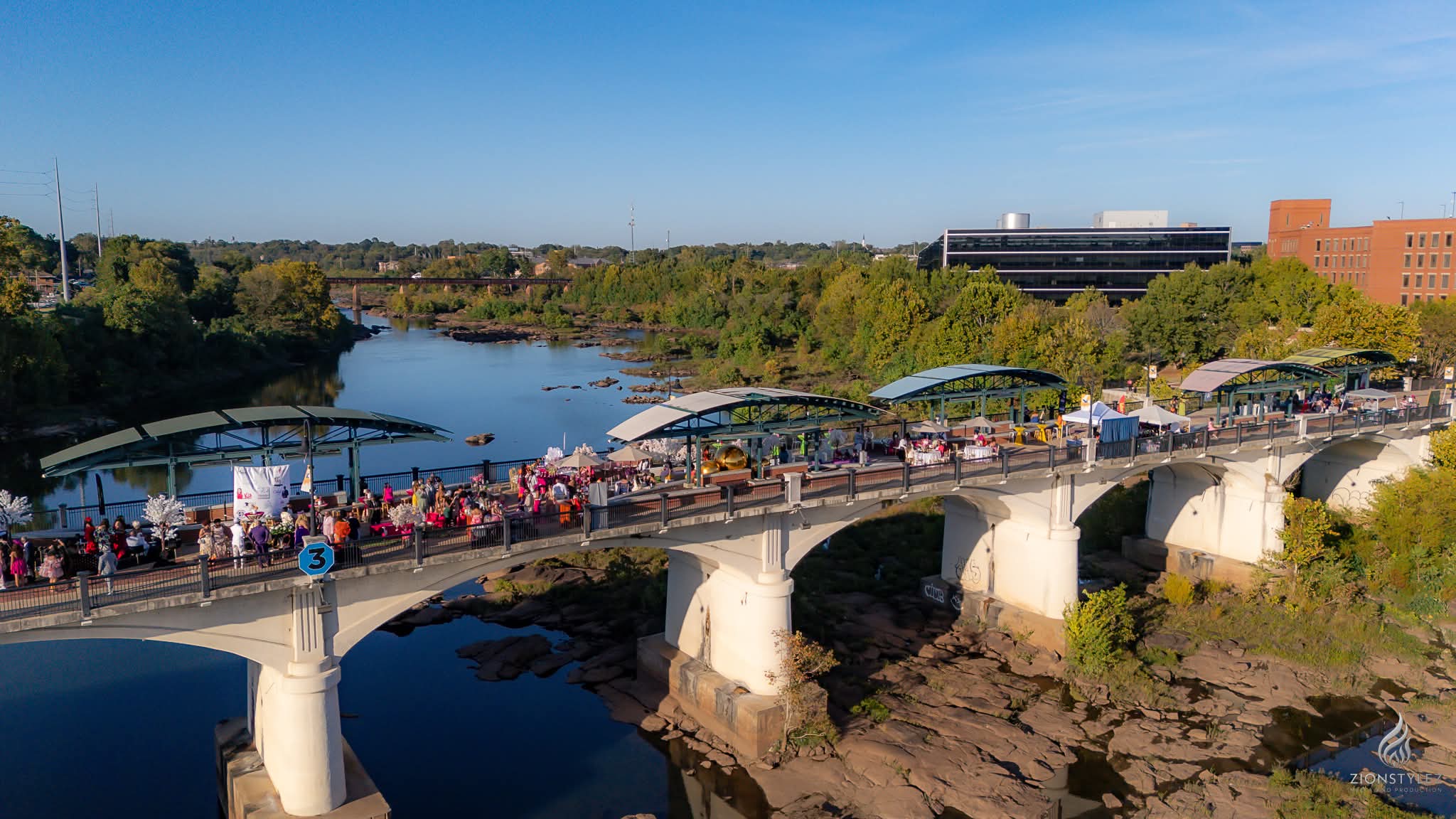
Horace King didn't build bridges alone. The legendary 19th-century builder: once enslaved, later celebrated as one of the South's most renowned engineers: understood something profound: the strongest structures are built through collaboration, trust, and shared vision. His bridges didn't just connect riverbanks; they connected communities, economies, and futures.
Today's nonprofit leaders are bridge-builders too. You're connecting donors to causes, volunteers to impact, and communities to transformation. But here's the truth many won't say out loud: building those bridges alone is exhausting. The constant grant applications, donor cultivation, event planning, and fundraising campaigns can drain even the most passionate mission-driven leader.
What if the answer isn't working harder: but working together?
The Weight of Solo Fundraising
If you've ever felt the pressure of carrying your organization's entire fundraising burden on your shoulders, you're not alone. Nonprofit leaders everywhere are experiencing burnout from the relentless cycle of donor outreach, proposal writing, and event coordination. You're competing for the same pool of donors, chasing the same foundation grants, and hoping your social media posts break through the noise.
The traditional fundraising model treats your organization as an island: independent, self-sufficient, and ultimately isolated. But islands don't build bridges. And bridges are exactly what your mission needs.

A Different Approach: The Partnership Fundraising Framework
Partnership fundraising flips the script. Instead of viewing other organizations as competition, you recognize them as potential collaborators. Instead of siloed events and isolated campaigns, you create shared platforms that amplify everyone's impact. Instead of donor fatigue from constant asks, you offer fresh collaborative experiences that energize both supporters and organizations.
This framework isn't theoretical: it's practical, tested, and surprisingly accessible. Here's how to build it.
Step 1: Map Your Existing Connections
Before reaching outward, look inward. Your organization already sits at the center of a web of relationships waiting to be activated.
Start with your board members. These community leaders bring their own networks: professional connections, business relationships, and philanthropic circles. Your volunteers have workplace contacts in industries that align with your mission. Staff members maintain relationships with vendors, past partners, and local business owners who've supported you before.
Create a simple spreadsheet. List every board member, volunteer, and staff person. Ask them to identify three connections who might share your mission's values. You're not asking for immediate donations: you're mapping potential bridges before you start building.
This inventory reveals your "easy wins": the low-hanging fruit of partnership opportunities that already carry built-in trust and familiarity.
Step 2: Design Your Partnership Strategy
Random outreach rarely works. Successful partnership fundraising requires intentionality.
Begin by clarifying your value proposition. What unique benefits does partnering with your organization offer? Maybe it's access to a specific community demographic. Perhaps it's authentic impact storytelling. It could be volunteer engagement opportunities for corporate teams. Get crystal clear on what you bring to the table beyond a logo on a banner.
Next, research potential partners thoroughly. Review their websites, past sponsorships, community involvement, and stated values. Look for genuine mission alignment: not just checkbook capacity.
Use a simple SWOT analysis for each prospect: What are their strengths? What weaknesses might create partnership opportunities? What opportunities exist for mutual benefit? What threats or obstacles could derail collaboration?

Prioritize prospects where values align, where both organizations serve overlapping communities, and where collaboration feels natural rather than forced. Remember: you're building a bridge, not constructing a billboard.
Start small with the opportunity to scale. A modest initial partnership that succeeds builds trust for larger collaborative ventures down the road.
Step 3: Cultivate Authentic Relationships
Here's where most nonprofits make a critical mistake: they only reach out when they need money.
Partnership fundraising is fundamentally relationship-based. It requires trust, transparency, and genuine mutual investment. You're not hunting for transactions: you're nurturing transformational relationships.
Maintain regular communication even when you're not asking for support. Invite potential partners to your events as guests, not sponsors. Share impact stories that align with their interests. Send personalized updates about program developments that would matter to them specifically.
Create a communication calendar that ensures you're touching base at least quarterly, providing value each time: a compelling client success story, an invitation to volunteer alongside your team, a research report relevant to their industry, or a simple thank-you note acknowledging their community contributions.
When you do make an ask, it should feel like a natural extension of an existing relationship: not a cold pitch.
Develop customized partnership proposals that reflect each partner's specific interests and priorities. Include clear financials, specific deliverables, realistic timelines, and a compelling vision of shared impact. Show them exactly how this collaboration advances both your mission and theirs.
Step 4: Execute and Sustain Collaboration
The partnership is signed: now the real work begins.
Define roles, responsibilities, and deliverables explicitly for both parties. Who's handling marketing? What are the communication checkpoints? How will you measure success together? Ambiguity kills partnerships; clarity sustains them.
Establish strong communication channels from day one. Schedule regular check-ins: not just when problems arise. These meetings should celebrate progress, address challenges early, and ensure ongoing alignment.
Anticipate potential friction points. If a corporate partner expects immediate ROI but your event is months away, outline interim opportunities for brand exposure, employee engagement, or community visibility that maintain momentum.
Most importantly, measure and report impact consistently. Share both quantitative results (funds raised, people served, outcomes achieved) and qualitative stories (lives changed, communities strengthened, futures transformed). Your partners aren't just funding programs: they're investing in purpose. Help them see the return on that investment.
The Multiplier Effect
Partnership fundraising doesn't just divide the workload: it multiplies the impact.
When multiple nonprofits collaborate on a shared fundraising event, individual donors encounter several missions aligned around common values. That donor who passionately supports youth development might discover your environmental education programs serve the same kids. The business owner sponsoring a food security organization might realize your workforce development programs help the same families achieve long-term stability.
Shared visibility creates cross-pollination. Collaborative resources reduce redundant overhead. Collective events generate excitement that solo efforts struggle to match.
You're no longer competing for donor attention: you're creating an ecosystem of impact that naturally attracts supporters who value comprehensive community transformation.
Building Bridges, Not Islands
Horace King's bridges still stand because he built them to last: with quality materials, sound engineering, and collaborative effort. Your nonprofit's sustainability requires the same approach.
Partnership fundraising isn't a shortcut or a trend. It's a fundamental reimagining of how mission-driven organizations can thrive in an increasingly complex funding landscape. It acknowledges that your mission isn't diminished by collaboration: it's amplified.
The nonprofits that will thrive in the coming decade won't be the ones with the biggest individual donor bases or the most aggressive marketing. They'll be the organizations that understand what Horace King knew: the strongest structures are built together.
Your mission is too important to carry alone. The communities you serve deserve the collective strength that partnership creates. The impact you're building requires bridges, not islands.
So start mapping those connections. Reach out with authentic relationship-building, not transactional asks. Design collaborations that create genuine mutual value. And watch what happens when nonprofit leaders stop going it alone and start building bridges together.
The framework is simple. The impact is profound. And the time to start is now.
Comments