
How to Raise Money for a Nonprofit Through Partnership Fundraising (When Going Solo Isn't Working)
- Z Augustus
- Mar 9
- 6 min read

If you're leading a nonprofit in 2026, you've probably felt it, that nagging pressure of trying to do more with less. Your team is stretched thin. Donor fatigue is real. And every email, event, and social media post feels like shouting into the void while competing with thousands of other worthy causes.
You're not failing. The landscape has just shifted beneath your feet.
Solo fundraising, the traditional model where each organization builds its own donor base, runs its own campaigns, and goes it alone, isn't broken. It's just become dramatically harder. Individual giving plateaued. Corporate budgets tightened. And the cost of acquiring a single donor has skyrocketed as digital advertising becomes more expensive and saturated.
But here's the good news: you don't have to build alone anymore.
Why Solo Fundraising Feels Harder Than Ever
Let's be honest about what's changed. A decade ago, a heartfelt Facebook post could reach thousands organically. A well-designed mailer could cut through the noise. Loyal donors could be cultivated with regular updates and a handwritten thank-you note.
Today? Your organic reach is throttled by algorithms. Mailboxes are flooded. Donors receive dozens of appeals each week from organizations just like yours, all with compelling stories and urgent needs. The competition isn't just local anymore, it's global, digital, and relentless.

Meanwhile, operational costs keep climbing. Staff salaries, technology subscriptions, event venues, marketing tools, everything costs more while revenue sources remain stubbornly flat. According to recent sector reports, one in three donors will give significantly more if they know their gift will be matched or multiplied. But accessing corporate matching programs or large-scale sponsorships requires resources, relationships, and reach that many small to mid-sized nonprofits simply don't have on their own.
This isn't a failure of mission or passion. It's a structural challenge that demands a structural solution.
The Bridge-Building Solution: Partnership Fundraising
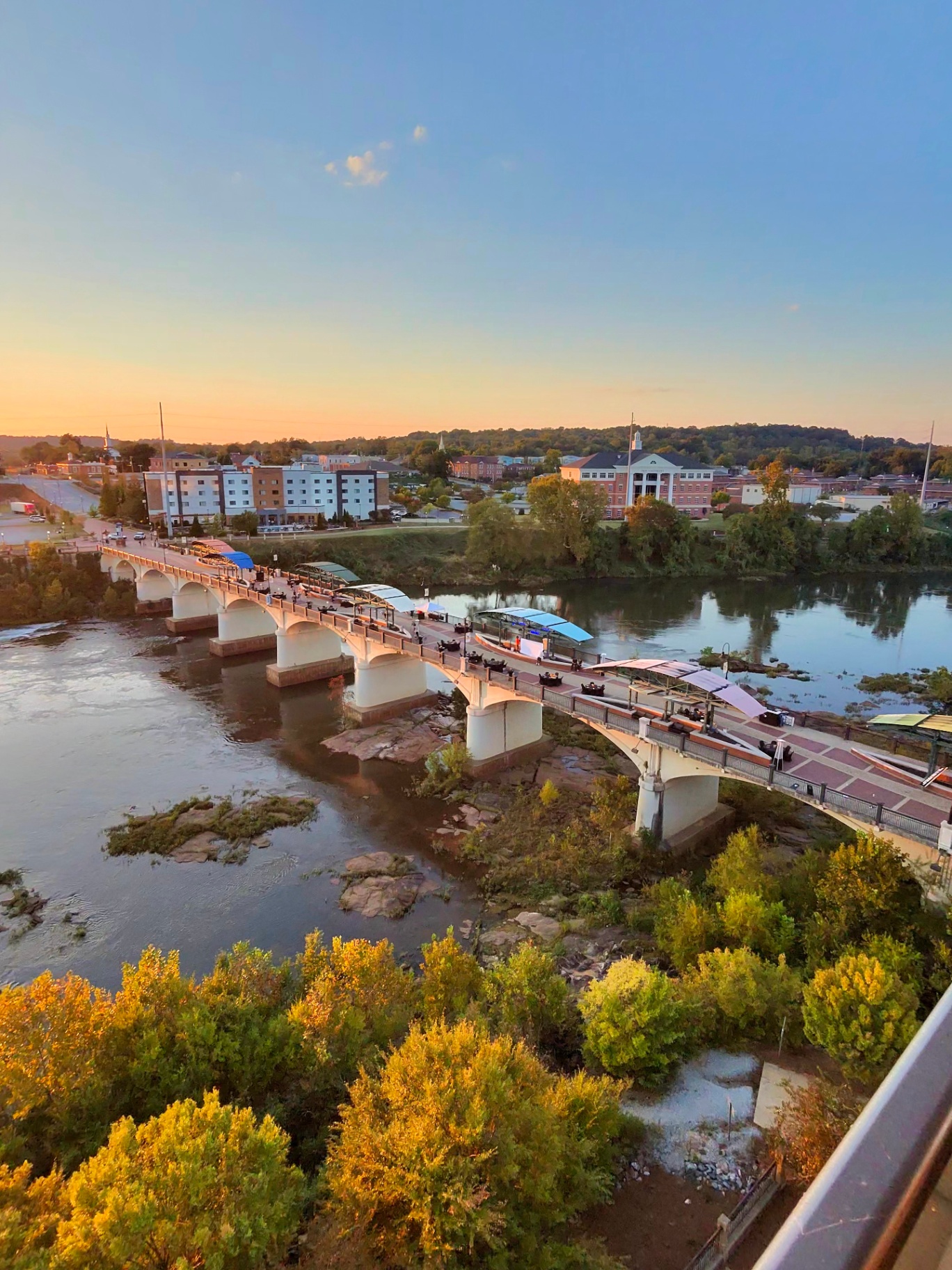
In the 19th century, a formerly enslaved man named Horace King became one of the most renowned bridge builders in the American South. He didn't just construct physical bridges, he built connections between divided communities, creating pathways where none existed before. His bridges carried weight because they were designed to serve many, not just a few.
That same principle applies to nonprofit fundraising in 2026.
Partnership fundraising, also called collaborative fundraising, is the practice of joining forces with other organizations to pool resources, share audiences, and create collective visibility. Instead of each nonprofit struggling alone to reach corporate sponsors or engage donors, you build bridges together. You create something bigger than any single organization could accomplish solo.

This isn't about losing your identity or diluting your mission. It's about recognizing that when nonprofits collaborate, they multiply their impact and amplify their voice. A corporate sponsor might overlook a single organization with 500 social media followers. But a coalition of five organizations with a combined reach of 10,000? That's a platform worth investing in.
How Partnership Fundraising Actually Works
Partnership fundraising comes in many forms, and the beauty is that you can start small and scale up as relationships deepen.
Corporate Sponsorships and Matching Gifts
One of the most accessible entry points is corporate matching gift programs. Many companies will match employee donations dollar-for-dollar, or even up to 4:1 ratios in some cases. When you partner with other nonprofits to promote these programs collectively, you dramatically increase participation rates and double (or quadruple) your revenue with minimal additional effort.
Research shows that one in three donors report they'll give more when they know their gift will be matched. But most donors don't even know if their employer offers matching, unless someone tells them. By collaborating with partner organizations to educate donors about matching programs, you create a rising tide that lifts all boats.
Event and Program Sponsorships
Local businesses often have corporate social responsibility (CSR) budgets specifically allocated for community support. The challenge? They're looking for reach, visibility, and authentic connection, not just a logo placement.
When you approach a potential sponsor as part of a nonprofit coalition, you can offer something far more compelling: access to multiple audiences, shared promotion across diverse platforms, and co-branded community events that generate real buzz. A restaurant might sponsor a single organization's 5K race. But a multi-nonprofit festival that brings together thousands of community members? That's the kind of visibility that justifies a much larger investment.

Volunteer-Based Partnerships
Many corporations grant employees paid time off to volunteer. But coordinating volunteers, recruiting, scheduling, training, managing, takes significant staff capacity. By partnering with other nonprofits, you can create shared volunteer opportunities that make better use of everyone's time. A corporate team could spend the day working with three partner organizations on a coordinated service project, creating deeper impact and requiring less overhead from each individual nonprofit.
Online Partnership Programs
Large retailers and platforms like Goodsearch split advertising revenue or sales percentages with participating nonprofits. The catch? The more volume you can bring, the better the terms. When multiple organizations promote these programs collectively to their combined networks, everyone earns more, without doing more work individually.
Building Partnerships That Last
So how do you actually build these partnerships? Start by thinking like a bridge builder, not a solo operator.
Research companies thoroughly before approaching them. Review their community involvement history, press releases, annual reports, and social media to identify genuine alignment with your collective mission. Look for businesses newly opened in your area or actively increasing their charitable footprint, they're often seeking local partnership opportunities and haven't yet been overwhelmed with requests.
Create customized support opportunities tailored to each company's industry and goals. A generic sponsorship package gets ignored. But a proposal that shows you understand their business, their values, and their customers? That gets meetings. If you're approaching a financial services firm, propose financial literacy workshops. If it's a healthcare company, co-design wellness initiatives. Make it easy for them to say yes by showing exactly how their investment creates measurable community impact.
Consider forming a business council that meets quarterly. Invite local business owners to network with each other while learning about your collective impact. This approach builds relationships and trust over time, transforming one-time donations into multi-year partnerships. When businesses see the value they receive: genuine community connection, employee engagement, positive brand association: they become invested stakeholders, not just donors.
Leverage your board members and volunteers. They have personal and professional networks you don't. Ask them to make introductions, host small group conversations, or simply speak authentically about why they support your work. Peer-to-peer relationships open doors that cold emails never will.
The D'Bridge Approach: Building Collective Visibility
At D'Bridge Inc, we've built our entire model around this bridge-building philosophy. We don't just help nonprofits collaborate on events: we help them create shared visibility platforms that make every participating organization more attractive to sponsors, donors, and community partners.
Our collaborative approach means that when one nonprofit succeeds, others rise with them. Resources are shared. Marketing is multiplied. And the collective voice becomes impossible to ignore.
We're inspired by Horace King's legacy: not just because he built physical bridges, but because he understood that true strength comes from connection. When you design for collective success rather than individual competition, you create infrastructure that serves the entire community.

This is how to raise money for a nonprofit in 2026 and beyond: by recognizing that partnership fundraising isn't a compromise: it's a competitive advantage. The organizations that will thrive aren't the ones trying to outshout everyone else. They're the ones building bridges together, creating pathways to impact that serve many, carry weight, and stand the test of time.
Your Next Steps
If solo fundraising isn't working the way it used to, you're not alone: and you don't have to figure this out by yourself. Start small. Reach out to one other nonprofit working in your community. Have a conversation about shared goals. Explore one partnership opportunity: maybe a co-hosted donor appreciation event, or a joint appeal to a local business.
The strongest structures are built to carry weight for many, not just a few. And in 2026, the nonprofits that embrace collaborative fundraising will discover something powerful: when you build bridges together, you don't just raise more money. You create lasting impact that transforms entire communities.
The question isn't whether you need partners. It's who you'll build with; and what bridges you'll create together.
Comments