
Are One-Off Sponsorships Dead? Why Nonprofits Are Building Long-Term Partnership Bridges in 2026

The landscape of nonprofit funding is undergoing a profound transformation. Across the sector, organizations are discovering that the old model, chasing one-off sponsorships, securing single-event checks, and starting from scratch each quarter, is no longer sustainable. The question isn't whether one-off sponsorships are dead, but rather: what's being built in their place?
The answer is something far more enduring. Nonprofits are shifting from transactional relationships to true partnerships, from fleeting financial exchanges to bridges that carry shared impact across years, not just event cycles. This isn't simply a trend, it's a fundamental reimagining of how mission-driven work gets resourced in our communities.
The Cracks in the Old Foundation
The numbers tell a compelling story. In the first quarter of 2025, total fundraising dollars increased by 3.6% year-over-year. That sounds promising until you look deeper: the number of individual donors declined by 1.3% during that same period. We're raising more money from fewer people, a pattern that reveals both opportunity and vulnerability.
One-off sponsorships fit neatly into this declining donor ecosystem. They're transactional by nature: a business writes a check, gets their logo on a banner, and the relationship essentially ends when the event does. Then the nonprofit starts over, seeking the next sponsor for the next event, perpetually in pursuit mode rather than partnership mode.
This approach creates exhaustion on both sides. Nonprofit leaders spend countless hours cultivating relationships that yield single transactions. Meanwhile, businesses receive little meaningful engagement beyond surface-level brand visibility. Neither party experiences the deeper satisfaction that comes from truly collaborative work.

The New Paradigm: Building Bridges That Last
What's emerging in place of transactional sponsorships is something rooted in a much older tradition, the tradition of bridge-building. Not just metaphorically, but in the very real sense of creating structures that connect communities, enable movement, and stand the test of time.
At D'Bridge Inc, we draw inspiration from Horace King, the remarkable bridge builder of the 19th century who understood that true infrastructure isn't about quick fixes, it's about creating pathways that serve generations. King didn't build temporary crossings; he constructed lasting connections that transformed how communities interacted, traded, and grew together.
This same philosophy applies to nonprofit partnerships in 2026. Long-term collaborative relationships create stable revenue streams, yes, but they do something more profound: they build shared ownership of community impact. When a business commits to a multi-year partnership with a nonprofit, they're not just funding a mission: they're joining it.

What Nonprofits Gain From Long-Term Partnership Bridges
The benefits of this shift are both practical and transformative. First, there's the stability factor. Predictable, multi-year commitments allow organizations to plan beyond the next quarter, to invest in capacity building, to take strategic risks that one-off funding simply doesn't support.
But stability is just the beginning. Long-term partnerships create space for deeper collaboration. Instead of explaining your mission from scratch to new sponsors every six months, you're building on shared understanding and trust. Your partners become genuine stakeholders who understand the nuances of your work, the challenges you face, and the victories worth celebrating.
This depth of relationship also transforms how impact gets measured and communicated. With one-off sponsors, you're typically providing a basic thank-you and maybe a post-event photo. With long-term partners, you're sharing quarterly updates, inviting them into strategic conversations, and demonstrating measurable progress over time. They see the arc of change, not just isolated moments.
Perhaps most importantly, sustainable partnerships allow nonprofits to focus on mission rather than constantly chasing money. As one fundraising executive wisely noted, "Philanthropic revenue is a lagging indicator of the quality of relationships your organization's leadership has with your supporters." When you invest in relationship quality, the revenue follows naturally.
What Businesses Gain From True Partnership
The value flows both ways. Forward-thinking businesses in 2026 recognize that consumers: particularly younger generations: care deeply about corporate values. Research shows that 73% of Americans consider a company's charitable efforts when deciding where to spend their money. But they can spot performative philanthropy from a mile away.
Long-term nonprofit partnerships offer businesses something far more valuable than a logo placement: authentic integration with community impact. When a company commits to a multi-year relationship, they earn the right to tell a real story about their values in action. They can demonstrate consistent commitment, measurable contribution, and genuine care for outcomes.
These partnerships also provide opportunities for employee engagement that single sponsorships can't match. Year-round relationships allow for volunteer programs, skill-sharing initiatives, and deeper involvement that builds company culture and pride. Employees don't just know their employer wrote a check: they see and participate in ongoing impact.
The Collective Visibility Advantage
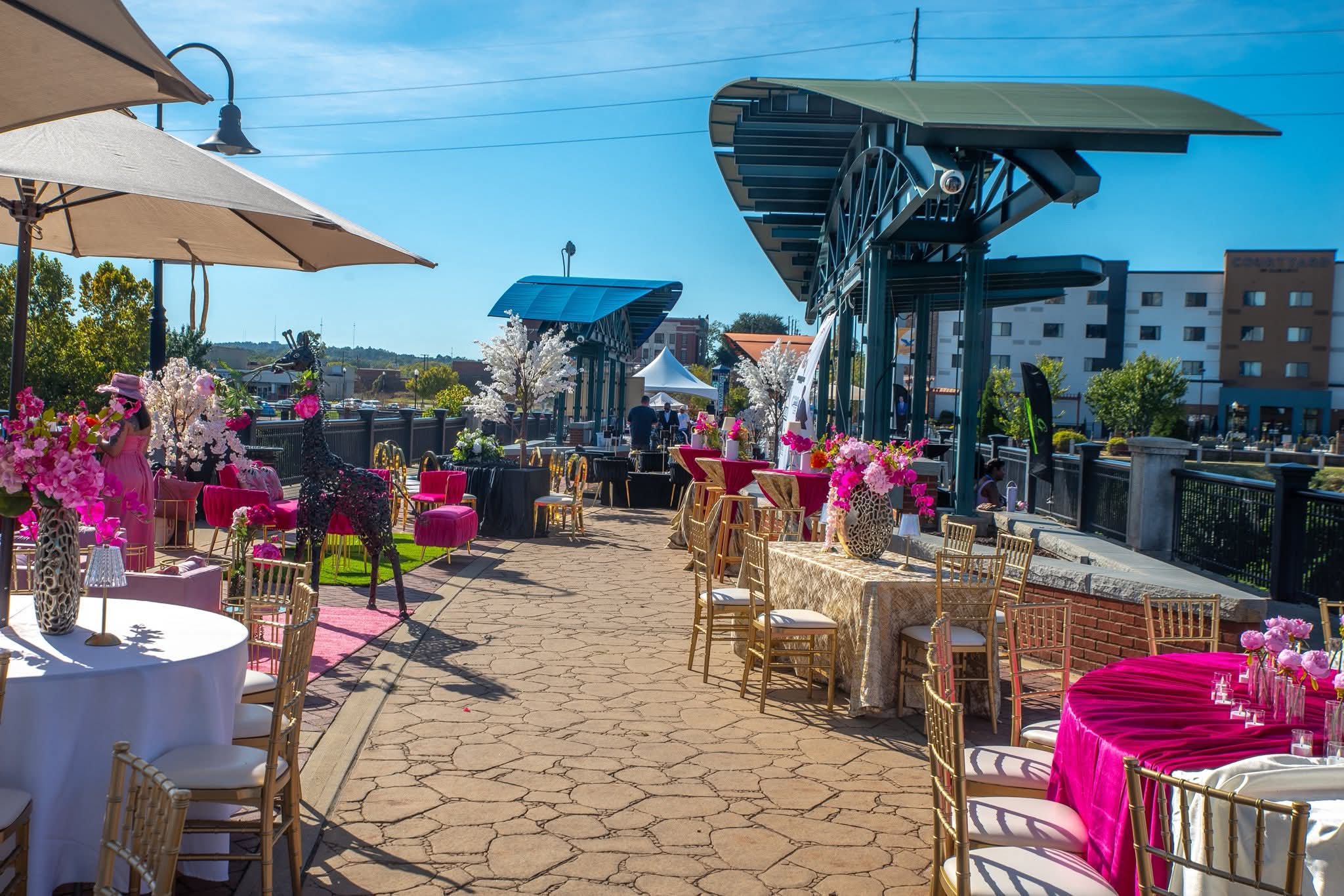
One of the most powerful aspects of the partnership model is how it amplifies visibility for everyone involved. When multiple nonprofits and businesses come together around shared events or initiatives, they create collective visibility that surpasses what any single organization could achieve alone.
Think of it this way: a one-off sponsorship is like a single voice calling out in a crowded room. A collaborative partnership is like a chorus: distinct voices harmonizing to create something that carries farther and resonates deeper. Each partner's audience becomes accessible to the others, expanding reach organically.
This is particularly powerful in an era of digital saturation, where breaking through the noise requires either massive ad spend or genuine community momentum. Partnership-based events and initiatives generate the latter: authentic buzz created by multiple organizations mobilizing their networks around shared purpose.
Practical Strategies for Building Your Partnership Bridge
So how do nonprofits make this transition from transactional sponsorships to transformative partnerships? Several strategies are proving effective:
Tiered partnership packages create clear pathways for deepening engagement over time. Rather than a single sponsorship level, organizations are offering Title Partner, Premier Partner, and Community Partner options that invite businesses to grow their involvement as trust and results develop.
Year-round engagement models integrate partners into programming beyond events. This might mean hosting joint educational sessions, creating content together, or providing partners with regular opportunities to engage their employees in volunteer activities. The relationship becomes woven into the fabric of both organizations' annual rhythms.
Personalized relationship cultivation replaces mass appeals with intentional communication. Long-term partners receive tailored updates, intimate briefings on challenges and opportunities, and invitations to contribute strategic input. They're treated as insiders, because that's what they are.
Data-driven customization uses technology to track what matters most to each partner and tailor offerings accordingly. Some businesses prioritize employee engagement opportunities; others focus on brand visibility; still others care most about measurable community outcomes. Understanding these priorities allows nonprofits to create genuinely mutual value.
The Bridge-Building Future
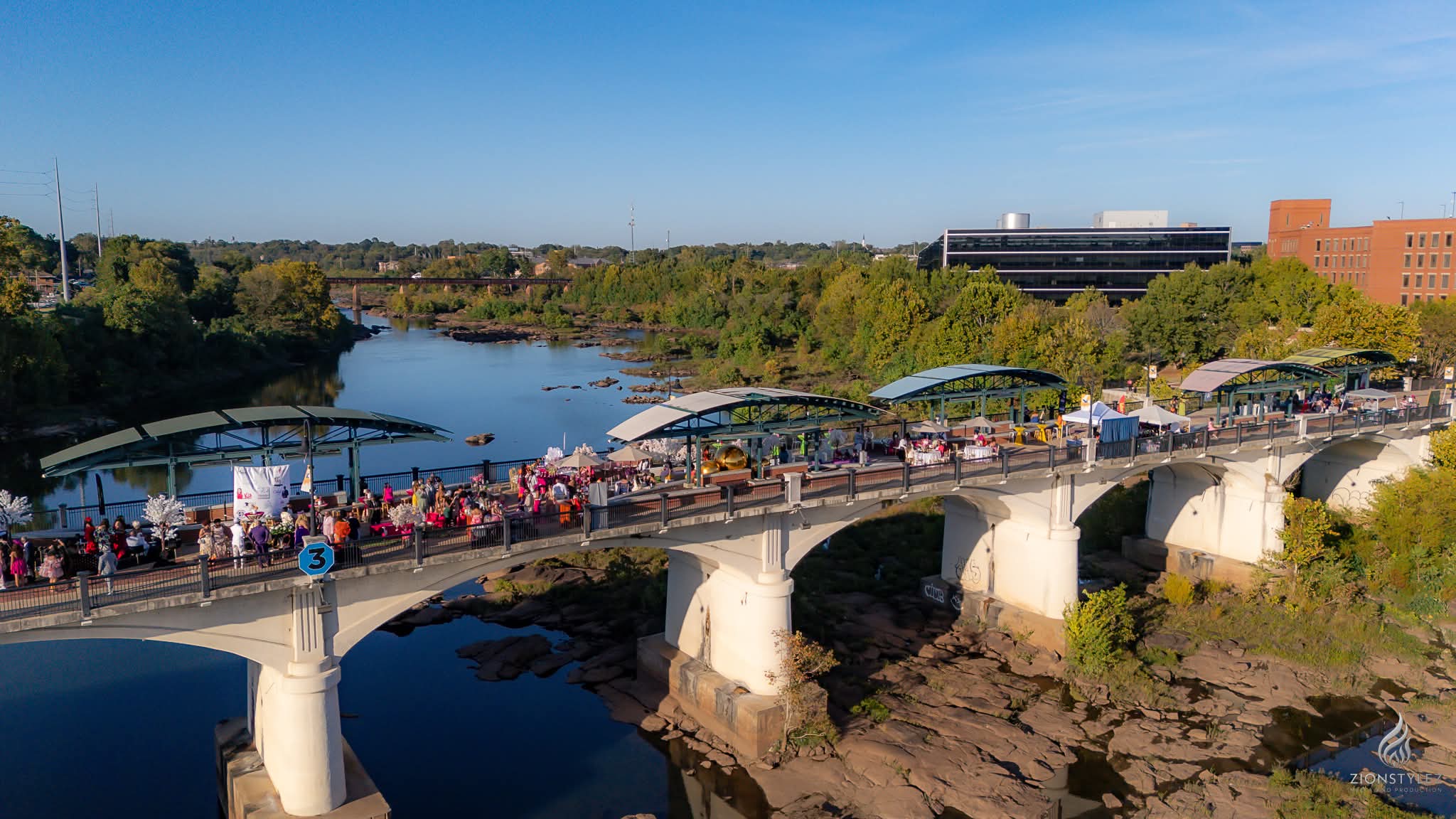
As we move deeper into 2026, the organizations thriving aren't those chasing the most transactions: they're those building the strongest bridges. They understand that sustainable impact requires sustainable relationships, and sustainable relationships require moving beyond the one-off mindset.
This doesn't mean transactional sponsorships will disappear entirely. There will always be a place for event-specific support and one-time contributions. But the organizations positioning themselves for long-term success are the ones investing in partnership infrastructure: the systems, the mindsets, and the practices that turn sponsors into partners and partners into co-creators of community change.
Like Horace King's bridges, which still stand in communities across the South, the partnership bridges we build today will carry impact far into the future. They'll connect resources to needs, businesses to communities, and individual missions to collective movement. They'll prove that the strongest structures aren't built by single entities working alone, but by many hands working together toward shared horizons.
The question for nonprofit leaders in 2026 isn't whether to embrace this shift, but how quickly you can begin building bridges that last. Your community is waiting on the other side.
Ready to transform your sponsorship approach into lasting partnerships? Visit D'Bridge Inc to learn how we help nonprofits build collaborative bridges that create sustainable impact.
Comments