
How to Raise Money for a Nonprofit Without Burning Out Your Team: The Proven Partnership Framework
- Z Augustus
- Mar 30
- 4 min read

Every nonprofit leader knows the exhaustion: another event to plan, another sponsorship pitch to write, another funding deadline looming. Your team is stretched thin, running on passion and coffee, while the urgent need for sustainable revenue never sleeps.
The truth is, the traditional fundraising grind doesn't have to break your people. There's a better way: one that builds bridges instead of burning them. The Bridge Framework is a structured, partnership-centered approach that transforms how your organization raises money by distributing the load, creating predictable revenue streams, and aligning efforts with organizations that genuinely share your mission.
This isn't theory. It's a proven workflow designed specifically to prevent team burnout while building the kind of lasting partnerships that carry your nonprofit forward.
Phase One: Foundation: Assess Your Real Capacity
Before reaching for ambitious partnership goals, you need solid ground beneath your feet. Start with an honest capacity audit of what your team can actually sustain over the next 6-12 months.
Ask yourself:
How many staff hours can realistically be dedicated to partnership development without sacrificing program delivery?
Which board members or volunteers possess genuine connections (not just LinkedIn follows) to potential partners?
What relationships already exist with local businesses, past sponsors, or service providers who know your work?
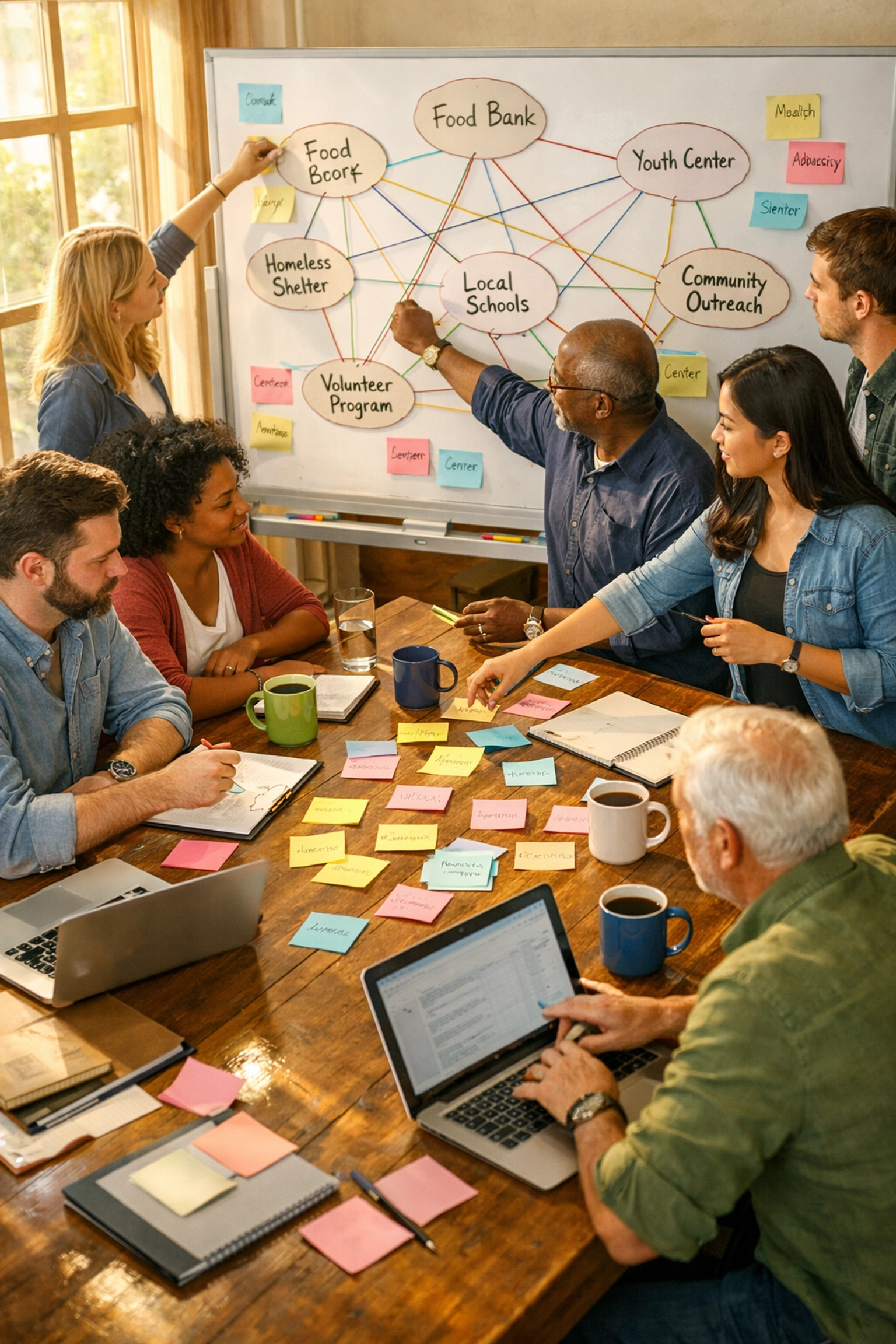
This grounded assessment prevents the number one cause of nonprofit burnout: building strategy around aspirational resources instead of actual capacity. When you know your true bandwidth, you can pursue partnerships that energize your team rather than drain them.
The strongest partnership prospects are already within reach. Map your existing ecosystem: employers of your board members, companies connected to past events, vendors who've seen your impact firsthand, and local businesses already invested in your community. These warm connections require far less energy to develop because familiarity already exists.
Phase Two: Architecture: Build Your Tiered Partnership Model
Rather than creating one complex, all-consuming partnership, design a scalable tier system with clearly defined benefit levels at each stage. This architecture allows your team to start small, scale thoughtfully, and keep expectations manageable for everyone involved.
Consider three primary tiers:
Foundation Partners (Entry Level): Short-term, low-maintenance collaborations like event sponsorships or cause marketing campaigns. These require minimal staff time and provide immediate revenue while testing compatibility.
Pillar Partners (Mid-Level): Year-long relationships with defined deliverables, regular communication touchpoints, and mutual promotion. These require moderate investment but create predictable funding.
Legacy Partners (Strategic Level): Multi-year commitments built on deep mission alignment, co-created programs, and shared impact measurement. These demand significant staff time but generate transformational support.
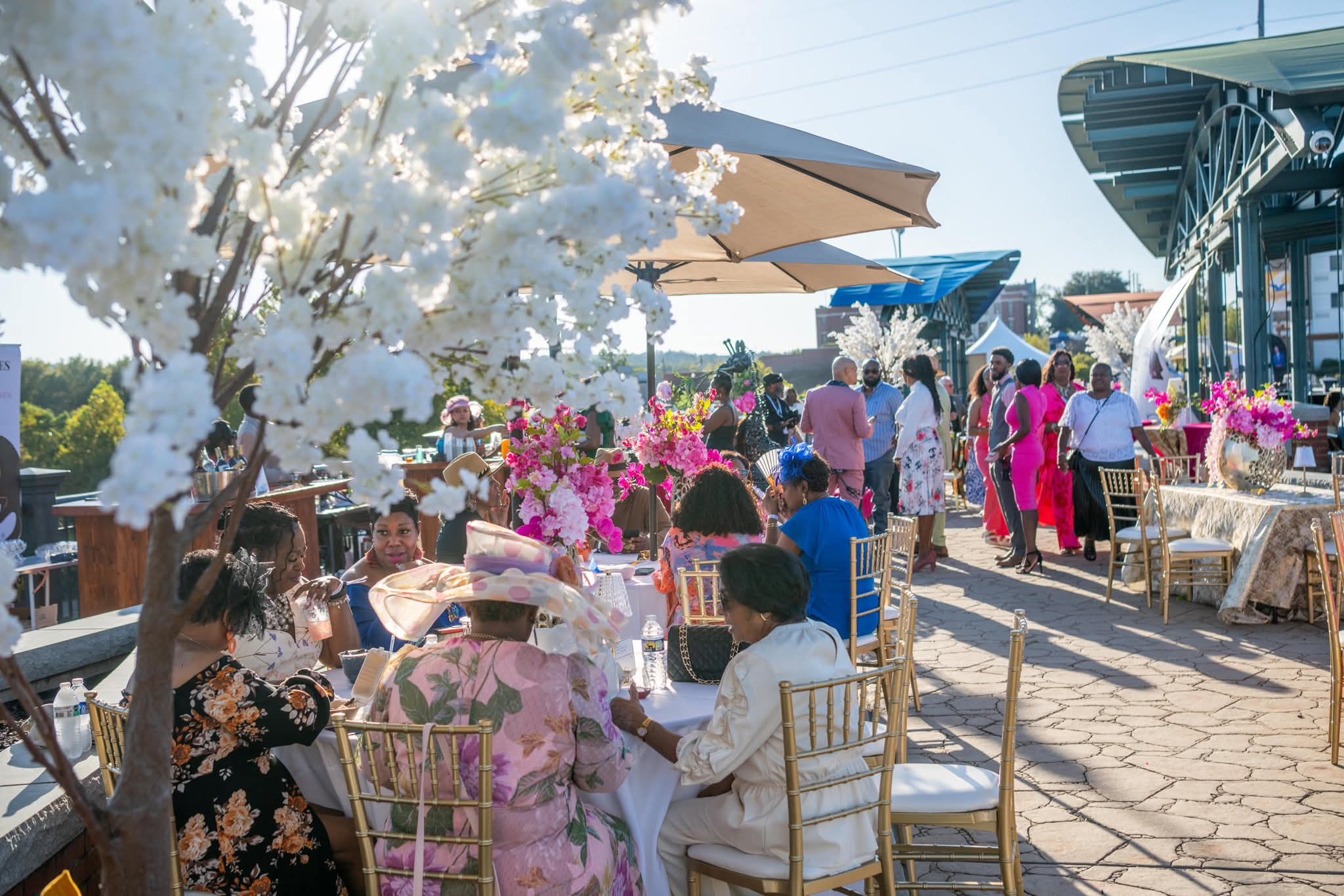
The beauty of this tiered model is flexibility. When your team is stretched near an event deadline, you can pursue a Foundation partnership. When capacity opens up, you can cultivate a Pillar relationship. You're never locked into more than you can handle.
Phase Three: Blueprint: Define Roles and Responsibilities
Vague expectations destroy partnerships and exhaust teams. Before any collaboration begins, create a partnership blueprint that documents exactly who does what, when, and with what information.
Your blueprint should specify:
Individual responsibilities for both organizations
Joint responsibilities requiring coordination
Specific deliverables with deadlines
Information exchange protocols
Decision-making authority for various scenarios
This clarity prevents scope creep: the silent killer of nonprofit staff capacity. When partners know precisely what's expected, your team stops firefighting miscommunications and starts executing agreed-upon work. The energy saved here is extraordinary.
Include communication cadence in your blueprint: monthly check-ins, quarterly impact reports, annual planning sessions. Regular, low-effort touchpoints maintain alignment without requiring intensive cultivation meetings that drain your calendar.
Phase Four: Connection: Cultivate Trust-Based Relationships
Transactional sponsorships require constant hunting for new prospects. Trust-based partnerships create stable, renewable funding that respects your team's finite energy.
The difference is profound. Transaction-focused relationships ask: "What logo placement do we get?" Trust-centered partnerships ask: "How can we advance your mission together?"

Build this trust through partnership-centered philanthropy: inviting partners into your work not as buyers of visibility but as genuine stakeholders in your cause. Share behind-the-scenes stories, invite them to program visits, introduce them to the people whose lives they're changing. When partners care about your mission beyond the marketing value, they renew commitments without requiring exhausting re-pitches every cycle.
This approach also attracts the right partners. Organizations that value authentic collaboration over transactional benefits are the ones who'll support you through lean seasons and celebrate milestones alongside you.
Phase Five: Sustainability: Create Systems That Outlast Individual Relationships
The final phase transforms partnerships from dependent on specific staff members to sustainable organizational assets. This protects your team from burnout caused by key person dependency.
Document everything: partner histories, communication logs, proposal templates, stewardship calendars, impact metrics. Build partnership management into your organizational systems, not individual inboxes.

Create partnership playbooks that outline your organization's standard approach, reducing the mental load of starting from scratch with each new relationship. When processes are systematized, staff transitions don't mean partnership collapses. New team members can pick up where others left off.
Automate routine stewardship where appropriate: scheduled thank-you emails, quarterly impact reports, anniversary recognition. This ensures partners feel valued consistently without requiring manual effort every time.
The Path Forward: Building Bridges, Not Breaking People
Corporate partnerships aren't just another fundraising channel: they're a strategic investment in organizational resilience. When structured thoughtfully through the Bridge Framework, partnerships distribute fundraising work across multiple stakeholders, create predictable revenue streams, and build the community connections that sustain nonprofits for the long haul.
The organizations thriving today aren't working harder; they're working smarter by recognizing that sustainable fundraising requires sustainable practices. Your team's capacity is precious. The Bridge Framework helps you honor that reality while still achieving ambitious revenue goals.
Start where you are. Assess your true capacity, map your existing connections, and build one thoughtful partnership tier at a time. The bridge you're building doesn't require your team to burn out in the construction process. It requires intention, structure, and the recognition that lasting impact comes from lasting relationships: with your partners and with the people who make your mission possible every day.
Your team deserves a fundraising approach that energizes rather than exhausts them. The path forward is clear: build bridges, not burnout.
Comments