
7 Mistakes You’re Making with Collaborative Fundraising (And How to Fix Them)

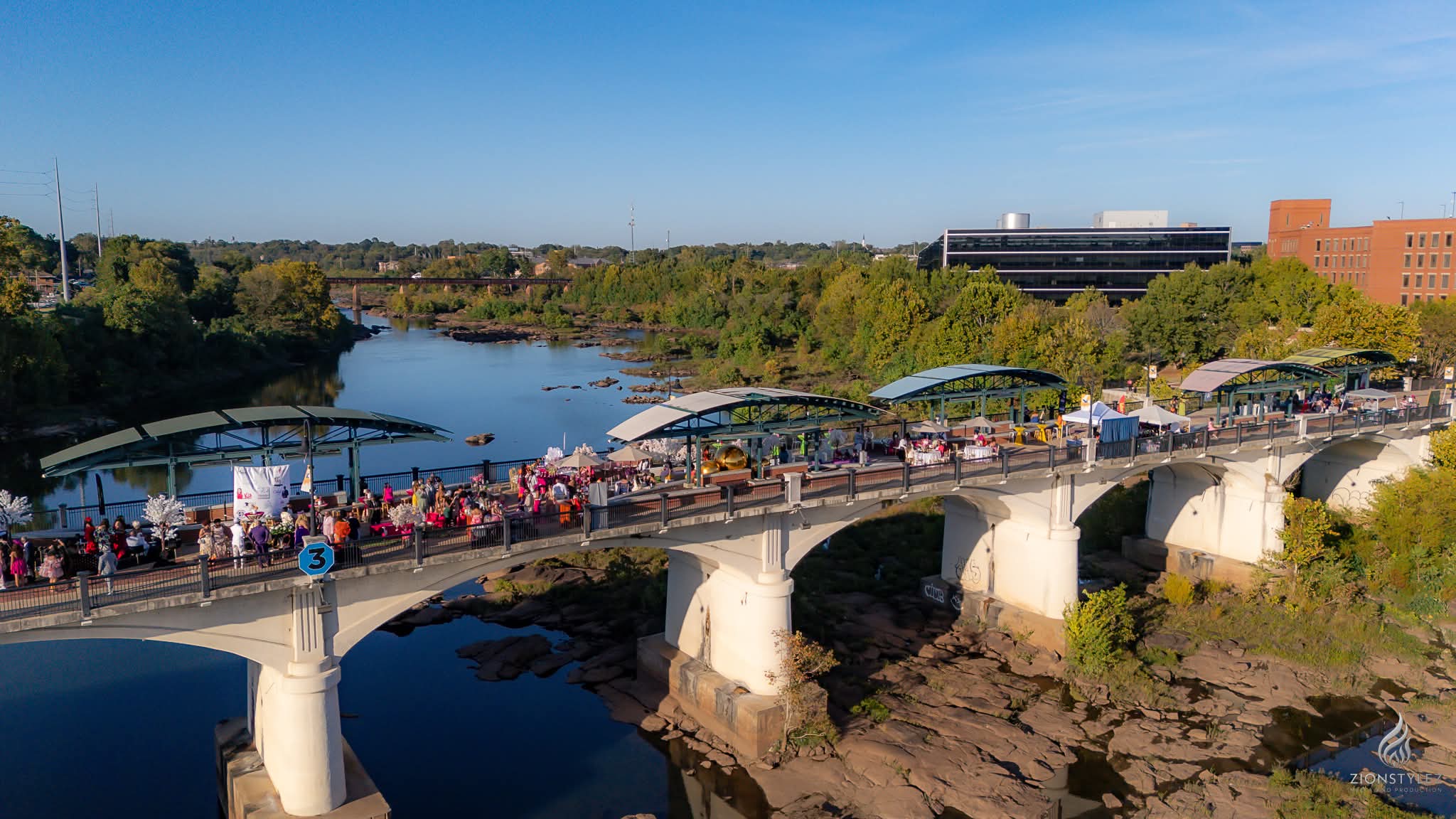
In the world of nonprofit work, we often talk about "changing the world" as if it’s a solo mission. We focus on our specific niche, our specific donor list, and our specific goals. But the truth is, the challenges our communities face are too vast for any one organization to tackle alone. At D'Bridge Inc, we believe the future isn't just about doing good: it's about doing good together.
Collaborative fundraising is the "Bridge" philosophy in action. It’s the idea that when multiple nonprofits join forces, they don't just add their resources together; they multiply their impact. They reach more people, raise more funds, and create a legacy of unity that inspires donors far more than a solo campaign ever could.
However, moving from a "me" mindset to a "we" mindset isn't always easy. Even the most well-intentioned partnerships can stumble. If you’ve tried to raise money with a partner and felt like you were spinning your wheels, you aren’t alone.
Here are the seven most common mistakes nonprofits make with collaborative fundraising and, more importantly, how you can fix them to build a stronger bridge for your mission.
1. Operating in Competitive Silos
The biggest hurdle to successful collaborative fundraising isn't a lack of money; it's a lack of trust. Many organizations enter partnerships while still clinging to a scarcity mindset. They worry that if a donor gives to the partner organization, they won't give to them.
The Fix: Embrace Collective Visibility Instead of seeing other nonprofits as competitors for a finite "pie," see them as partners in growing the pie itself. Collective visibility means that when you stand together, you are harder to ignore. When donors see multiple organizations aligning for a shared cause, it signals stability, maturity, and a genuine commitment to the community. Shift your focus from "how do we get our share?" to "how do we solve this problem together?"
2. Fragmented Branding and "Logo Soup"
We’ve all seen it: a flyer for a collaborative event that features fifteen different logos of varying sizes, colors, and resolutions. It looks cluttered, unprofessional, and confusing. When your branding is fragmented, your message becomes diluted. Donors aren't sure who they are supporting or what the overarching goal is.
The Fix: Create a Unified Campaign Identity While it’s important to respect each organization’s individual brand, a collaborative fundraiser needs its own "Bridge" identity. Create a temporary, unified brand for the campaign or event. Choose a shared color palette, a cohesive font, and a single, powerful slogan that represents the collective effort. This doesn't erase your individual identity; it elevates the partnership as a distinct, professional entity worthy of major investment.
3. Communication Breakdowns and "Ghosting"
Research shows that poor communication is one of the leading causes of failed collaborations. In the hustle of daily nonprofit life, it’s easy to assume the other organization is handling their part of the deal. When sellers, volunteers, and donors receive conflicting information: or no information at all: participation drops instantly.
The Fix: Centralize Your Communication Don't rely on long, winding email threads. Use centralized project management tools and schedule regular, brief check-ins. Assign a "Communications Lead" for the entire collaboration whose sole job is to ensure that messaging is consistent across all channels. Whether it’s an update on a fundraising event idea for nonprofits or a change in the schedule, everyone should hear it at the same time.

4. Generic, One-Size-Fits-All Messaging
When two or three nonprofits get together, there is a temptation to create a "vanilla" message that is so broad it loses its heart. Generic messaging fails to resonate because it doesn't speak to the specific passions of your donors. A donor who cares about literacy might not feel moved by a generic "community wellness" campaign if the connection isn't made clear.
The Fix: Segment and Tell the "Bridge" Story Effective collaborative fundraising requires storytelling that highlights the intersection of your missions. Don’t just list what you do; explain why doing it together is better. For example, if a food bank and a job-training nonprofit team up, the message shouldn't just be "give us money for food and jobs." It should be: "We are building a bridge from hunger to self-sufficiency." Tailor your messages to different donor segments, explaining how this specific partnership solves a problem in a way that neither could do alone.
5. Overlooking Data-Driven Decisions
Too often, collaborative efforts are driven by "gut feelings" or convenience rather than data. If you aren't tracking which outreach methods are working or which donor segments are responding, you are essentially flying blind. In a partnership, this lack of data can lead to finger-pointing if goals aren't met.
The Fix: Establish Shared KPIs Before the campaign begins, agree on exactly what success looks like. Is it the number of new donors? The total amount raised? The number of social media shares? Use shared dashboards to track these Key Performance Indicators (KPIs) in real-time. This transparency builds trust and allows you to pivot your strategy mid-campaign if something isn't working. Knowing how to raise money for a nonprofit effectively in 2026 means being as comfortable with a spreadsheet as you are with a speech.
6. The "Lone Wolf" Project Manager
In many collaborations, one person ends up doing 90% of the work while everyone else "supports." This leads to burnout for the leader and a lack of ownership for the partners. When a project is treated as one person's work, it lacks the diverse perspectives and energy needed to truly take off.
The Fix: Divide and Conquer with Ownership Rally a team of dedicated volunteers and staff from all involved organizations. Divide tasks based on strengths: one person handles logistics, another handles the digital "fundraising event ideas for nonprofits," and another manages corporate sponsorships. When everyone has "skin in the game" and a specific area of ownership, the collective energy of the group stays high, and the workload stays manageable.
7. Forgetting the Post-Event Relationship
The most tragic mistake in collaborative fundraising is the "one and done" approach. Organizations work hard to pull off an event, and then, once the checks are cashed, they return to their separate corners. They fail to thank the donors collectively and fail to show the long-term impact of the partnership.
The Fix: Shared Stewardship and Long-Term Vision The "Bridge" doesn't disappear just because the event is over. Send joint thank-you notes that emphasize the power of the collaboration. Share "progress updates" six months later showing what the collective funds achieved. This reinforces the idea that the donor didn't just give to a campaign; they invested in a movement of unity.

Building the Future, Together
Collaborative fundraising is more than just a strategy; it’s a commitment to the idea that we are better together. It requires us to set aside our egos, align our visions, and build something that will outlast our individual tenures.
By avoiding these seven mistakes, you aren't just raising money: you are building a foundation of trust and visibility that will serve your community for years to come. You are showing your donors that you care more about the solution than you do about the credit. And in today’s world, that is the most inspiring message of all.
If you’re ready to stop working in silos and start building bridges, let’s talk. At D'Bridge Inc, we specialize in helping nonprofits find their shared voice and maximize their collective impact. Together, we can turn your next nonprofit fundraising ideas into a landmark success.

The path forward is clear: let's stop competing and start connecting. The bridge to a better community is already being built( it just needs us to walk across it together.)
Comments