
How to Launch a Collaborative Fundraising Campaign in 5 Steps (Easy Guide for Small Nonprofits)

There's an old saying that still rings true today: a bridge is only as strong as the connections it creates. Horace King knew this well. Born into enslavement in 1807, he became one of the most celebrated bridge builders in the American South: not just because of his engineering brilliance, but because he understood that bridges bring people together, creating pathways where none existed before.
At D'Bridge Inc, we carry that same spirit forward. When small nonprofits work together through collaborative fundraising, they build bridges that amplify their impact far beyond what any single organization could achieve alone. The challenge? Many small nonprofits aren't sure where to start.
If you're ready to launch a collaborative fundraising campaign but feel overwhelmed by the process, this guide will walk you through five practical steps that actually work. No corporate jargon, no impossible requirements: just a straightforward roadmap to help you raise more funds, expand your reach, and create lasting change in your community.
Step 1: Take Inventory of What You Already Have
Before you start reaching out to potential partners, pause and look inward. You have more assets than you think.
Start by assessing your existing resources. This isn't just about your bank balance: it's about the stories, relationships, and materials you've already built. Do you have compelling donor testimonials? A dedicated volunteer network? Marketing materials that could be refreshed and repurposed? These are the building blocks of your collaborative campaign.
Take a close look at your board members' connections too. Who do they know in local businesses, other nonprofits, or community organizations? What industries align with your mission? Sometimes the strongest partnerships begin with a simple introduction from someone who believes in your work.
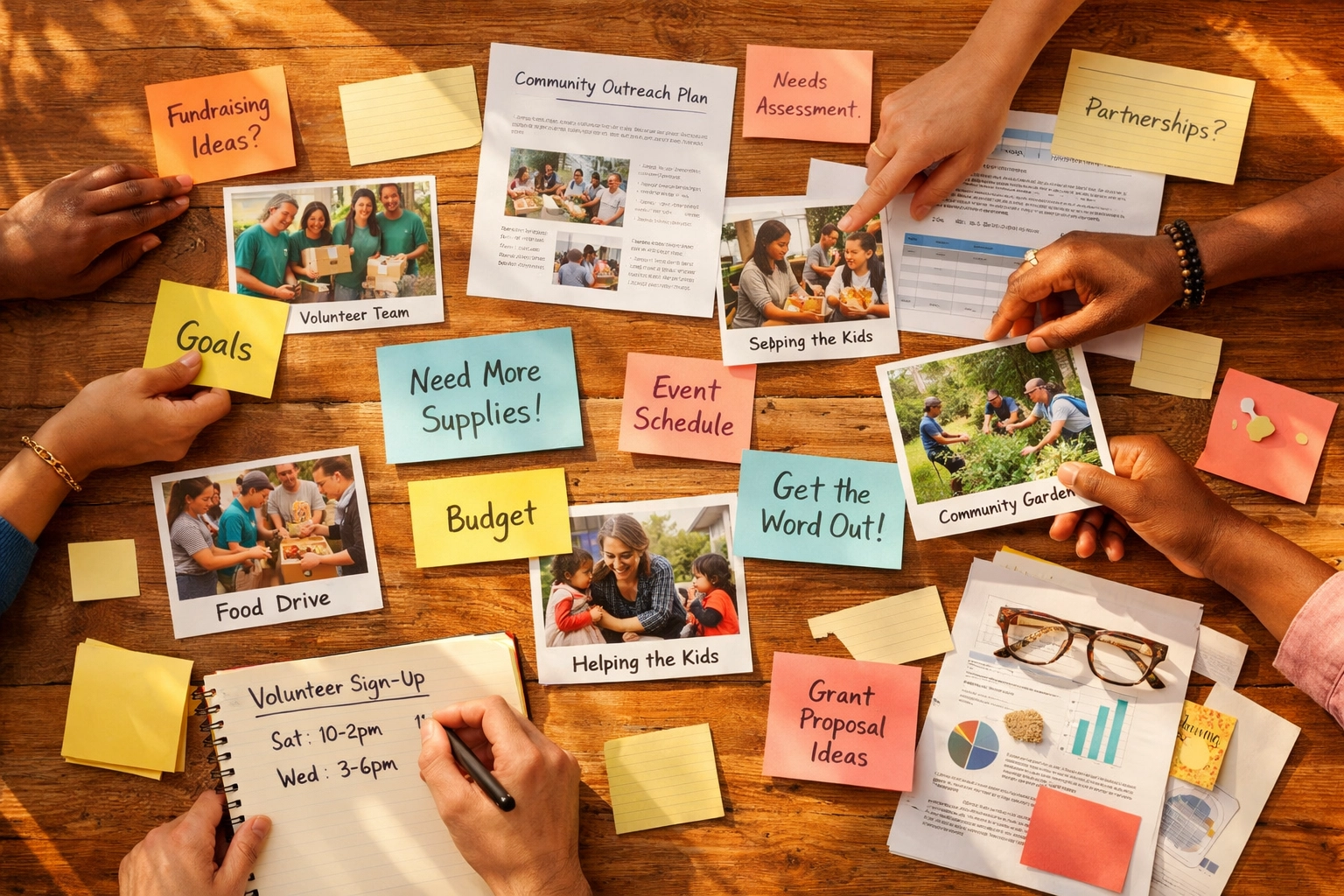
Also, review your past experiences with collaboration. Have you worked with local businesses before? Partnered with another nonprofit on an event? These experiences: even the challenging ones: offer valuable insights into what works and what to avoid moving forward.
The beauty of this step is that it helps you build from strength rather than scarcity. You're not starting from zero. You're identifying the foundation you already have, which means less time creating everything from scratch and more time refining what already resonates.
Step 2: Build Strategic Connections
Now it's time to look outward and identify potential partners who share your values and vision.
Start with research. Gather publicly available information about organizations and businesses you'd like to collaborate with. What's their mission? What causes have they supported in the past? How do they engage with the community? This detective work might feel time-consuming, but it's essential for finding authentic alignment.
Use a simple SWOT framework (strengths, weaknesses, opportunities, threats) to evaluate potential partnerships. Ask yourself: Does this partnership play to both organizations' strengths? Are there potential weaknesses we'd need to address? What opportunities could we create together? What challenges might we face?

Focus on mutual benefits. Collaborative fundraising works best when everyone wins. A corporate partner might be looking for brand visibility and community goodwill. A fellow nonprofit might want access to your donor network or marketing expertise. A local business might be seeking meaningful ways to give back while connecting with customers who care. Your job is to understand what each potential partner values most.
Remember, your approach should vary depending on who you're talking to. A pitch to a major corporation looks different from a conversation with a local coffee shop owner. Both matter, but they require different messaging, timelines, and value propositions.
Keep your eyes open for networking opportunities too: local events, chamber of commerce meetings, nonprofit conferences. These spaces naturally bring together people who care about community impact, making them ideal for planting seeds for future collaboration.
Step 3: Cultivate Genuine Relationships
Here's where patience becomes your greatest asset. Resist the urge to jump straight into "the ask."
Instead, prioritize and qualify your prospects based on mission alignment and how well they fit your nonprofit fundraising ideas. Not every potential partner will be the right fit, and that's okay. It's better to cultivate a few deep, meaningful partnerships than scatter your energy across dozens of surface-level connections.
Reach out for informal meetings first. These conversations aren't about pitching: they're about exploring fit. Do your values align? Do you both light up when talking about similar outcomes? Is there genuine enthusiasm on both sides? These early conversations will tell you whether to invest more deeply in the relationship.
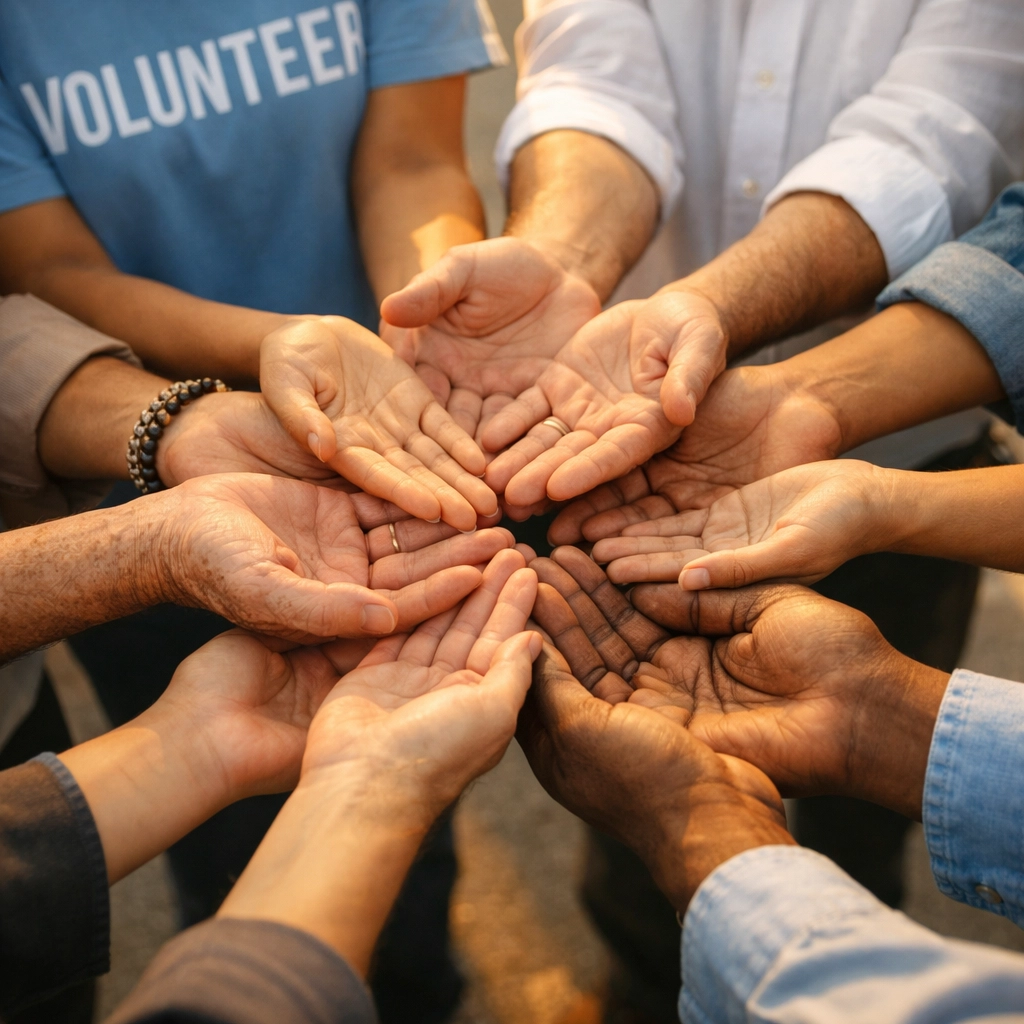
Maintain regular, personalized communication. Send a thoughtful email when you see an article related to their work. Invite them to your events (without any obligation). Share updates about your impact. This isn't about manipulation: it's about building trust the old-fashioned way, through consistent care and genuine interest.
Think of this phase like Horace King building one of his covered bridges. The structure didn't appear overnight. It required careful planning, steady progress, and attention to every connection point. Your partnerships deserve the same thoughtful approach.
Step 4: Craft a Customized Proposal
Once you've built genuine rapport, it's time to formalize your collaborative fundraising vision.
This is where all your earlier work pays off. Because you've invested time in understanding each potential partner's priorities, you can now create a truly customized partnership proposal that speaks directly to what they care about most.
Generic proposals rarely inspire action. But when a potential partner sees that you've listened to their goals, understood their constraints, and designed an opportunity that serves both missions authentically? That's when magic happens.
Your proposal should clearly outline:
The shared purpose of your collaboration
Specific goals and measurable outcomes
What you're asking for (whether that's financial support, in-kind donations, or co-marketing)
What you're offering in return
Timeline and key milestones
Success metrics for both partners
Keep the language clear and warm. This isn't a legal document: it's an invitation to build something meaningful together.
Step 5: Execute With Clarity and Communication
You've landed the partnership. Now comes the real work: bringing your collaborative vision to life.
Define roles and responsibilities with crystal clarity. Who's handling what? What information does each partner need? When are key deliverables due? What does success look like? These questions might feel tedious, but answering them upfront prevents confusion and frustration later.
Anticipate challenges before they become problems. For example, if your partner expects immediate returns but your campaign launch is months away, get creative with interim opportunities. Could you feature them in your newsletter? Highlight their support on social media? Invite them to speak at a community event? Early exposure keeps everyone engaged and invested.

Establish strong communication channels and use them consistently. Regular check-ins, progress updates, and celebration of small wins keep momentum strong. When partners feel informed and valued throughout the process, they're more likely to stick around for future collaborations.
Document everything: not because you distrust anyone, but because good records make future nonprofit marketing collaboration smoother. What worked? What would you do differently? What insights emerged that could strengthen your next campaign?
Building Bridges That Last
Collaborative fundraising isn't just a tactic: it's a philosophy. It's the belief that we achieve more together than we ever could alone.
When Horace King built his bridges across Southern rivers, he wasn't just connecting two banks. He was creating pathways for commerce, conversation, and community. Some of those bridges still stand today, nearly two centuries later, testament to the power of building with vision and care.
Your collaborative fundraising campaigns can create that same kind of lasting impact. They can forge connections that outlive any single initiative, building a network of organizations and individuals committed to collective good.
The five steps outlined here: taking inventory, building strategic connections, cultivating relationships, crafting custom proposals, and executing with clarity: provide a roadmap. But the real work is in the commitment to show up, listen deeply, and build bridges even when the way forward isn't immediately clear.
At D'Bridge Inc, we believe that collaborative fundraising represents the future of nonprofit work. Not because it's trendy, but because it works. Because when small nonprofits pool their resources, share their networks, and amplify each other's missions, they create change that no single organization could manufacture alone.
So take that first step. Inventory your assets. Reach out to that potential partner you've been thinking about. Start building the bridges your community needs.
The impact you create together might just stand for generations.
Comments