
How to Plan a Multi-Nonprofit Fundraising Event (5 Easy Steps)

There's a reason we keep coming back to the image of a bridge. Horace King, the legendary 19th-century architect and formerly enslaved man, didn't just build structures: he connected communities. He understood that real progress happens when people come together, pooling their resources, their skills, and their vision.
That same spirit lives in collaborative fundraising today.
If you've ever thought about partnering with other nonprofits to host a shared fundraising event, you're onto something powerful. Nonprofit event partnerships aren't just trendy: they're smart. You expand your reach, share costs, and create something bigger than any single organization could pull off alone.
But here's the thing: planning a multi-nonprofit event can feel overwhelming. Who's in charge? How do you split responsibilities? What happens when organizations have different working styles?
Don't worry. We've broken it down into five easy steps that'll help you build your own bridge to fundraising success.
Step 1: Define Shared Goals and Establish Leadership
Before you book a venue or design a flyer, you need to get everyone in the same room, literally or virtually: and align on what you're actually trying to accomplish.
This is the foundation of your bridge. Skip it, and everything else gets shaky.

Start with the "why"
Gather representatives from each participating nonprofit and ask the big questions:
What's the purpose of this event?
Who's our target audience?
How much do we want to raise, and how will funds be divided?
What does success look like for each organization?
You might be surprised how different your answers are at first. One nonprofit might prioritize donor acquisition while another cares more about community visibility. That's okay: the goal is to find the common ground.
Establish clear leadership
Here's where a lot of collaborative fundraising efforts stumble: nobody knows who's actually in charge.
You have two options:
Designate a lead organization that takes point on major decisions and logistics
Create a coordinating committee with one representative from each nonprofit who shares decision-making power
Either approach works, but you need to choose one and stick with it. Document roles, responsibilities, and decision-making processes early. Trust us: this prevents a lot of awkward conversations down the road.
Step 2: Build a Unified Team and Secure Partnerships
With your goals aligned and leadership in place, it's time to assemble your crew.
Think of this as gathering your builders. Horace King didn't construct those incredible bridges alone: he had teams of skilled workers, each contributing their unique talents. Your event needs the same collaborative energy.
Create cross-organizational committees
Break your planning team into subcommittees based on key areas:
Logistics (venue, catering, equipment)
Sponsorship (corporate partners, in-kind donations)
Marketing (promotion, social media, press)
Volunteer coordination (recruitment, training, day-of management)
Programming (speakers, entertainment, run-of-show)
Each subcommittee should include representatives from multiple partner nonprofits. This ensures everyone has skin in the game and prevents any one organization from feeling left out.
Tap into your collective networks
Here's the beautiful thing about nonprofit event partnerships: you're not just combining budgets: you're combining communities.
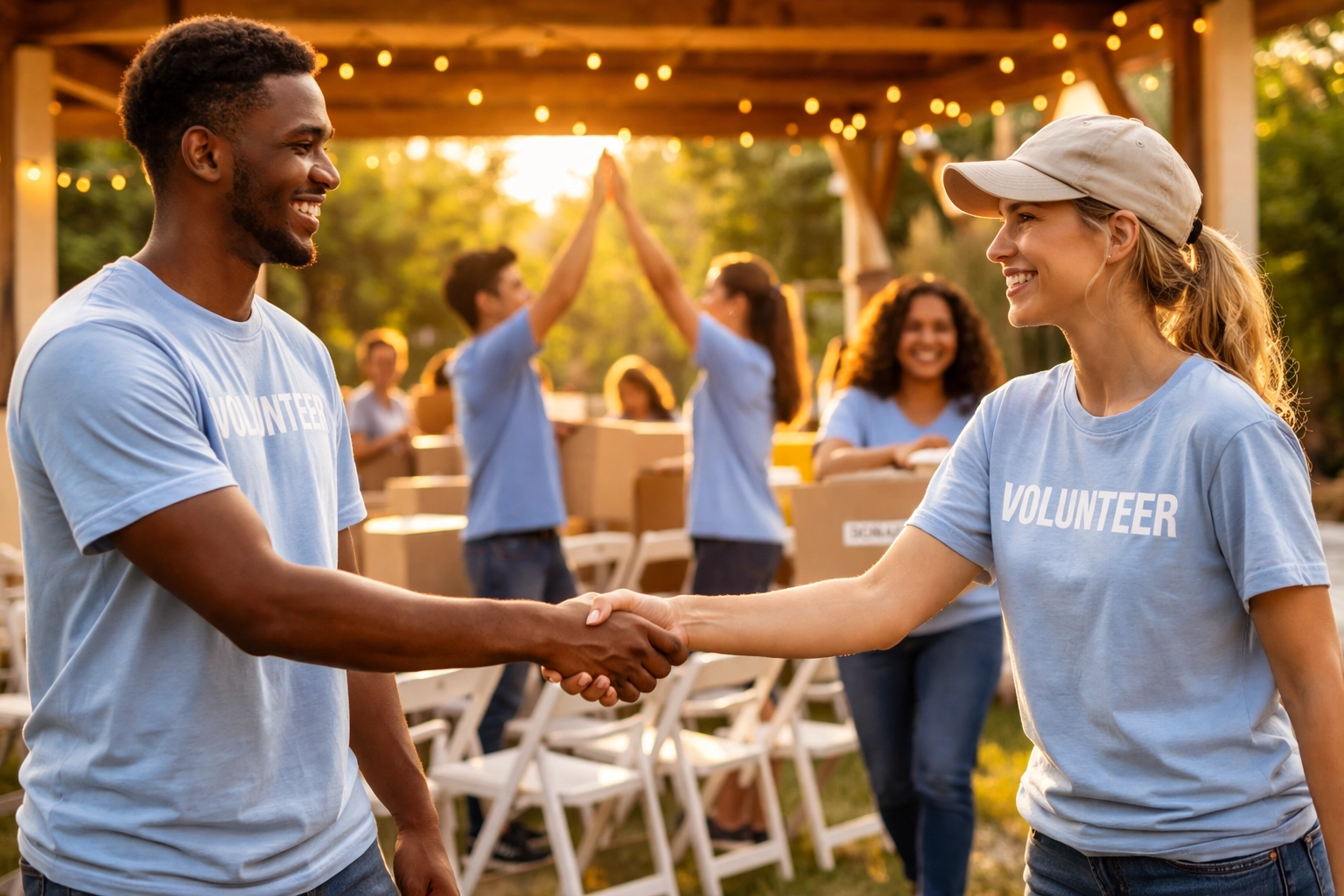
Recruit volunteers from all participating organizations. Reach out to board members, longtime donors, and community champions from each nonprofit's network. When you're approaching corporate sponsors, you can pitch the combined reach and impact of your partnership: that's a compelling story.
Step 3: Secure Your Venue, Date, and Budget
Now we're getting into the practical stuff. This is where your planning starts to feel real.
Choose the right venue
Your venue needs to accommodate your combined audience, so think bigger than you might for a single-organization event. Consider:
Accessibility for attendees with disabilities
Parking and public transportation options
Space for your planned activities (presentations, networking, silent auction, etc.)
Technical capabilities (AV equipment, Wi-Fi, staging)
Pro tip: Some venues offer discounts for nonprofit events. Don't be afraid to ask: and mention you're representing multiple organizations working together. That collaborative angle can be persuasive.
Pick a strategic date
Check calendars carefully. You're now coordinating around multiple organizations' schedules, so conflicts are more likely. Avoid:
Major holidays and long weekends
Other significant nonprofit events in your area
Your partner organizations' existing fundraising campaigns
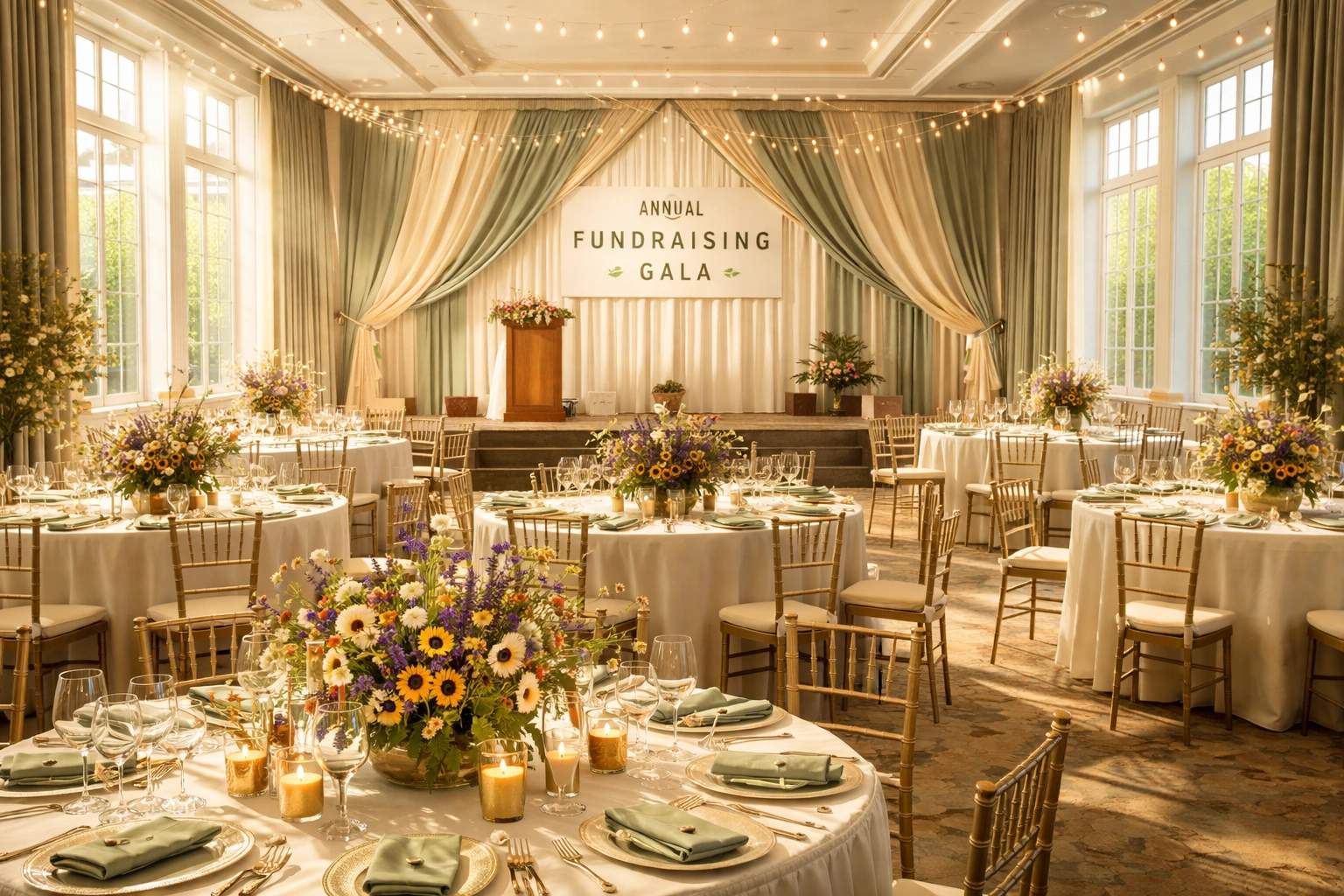
If you're planning an outdoor event, have a weather contingency plan ready. Nothing derails collaborative fundraising faster than a rained-out gala with no backup location.
Build a realistic budget
This is where collaboration really pays off. Map out all your expenses together:
Venue rental
Catering and beverages
AV equipment and technical support
Marketing and promotional materials
Entertainment or speaker fees
Decorations and signage
Insurance and permits
By pooling resources, you can often negotiate better rates with vendors. Add a 10-15% buffer for unexpected costs: because there will always be unexpected costs.
Be crystal clear about how expenses will be split among partner organizations. Document everything in writing. Money conversations can get uncomfortable, so handle them early and transparently.
Step 4: Plan Promotion and Logistics (2-3 Months Out)
With your foundation set, it's time to spread the word and nail down the details.
Create a unified marketing strategy
Develop a content calendar that builds excitement leading up to the event:
8 weeks out: Announce the event and partnership across all channels
6 weeks out: Spotlight participating nonprofits and their missions
4 weeks out: Feature speakers, entertainment, or special programming
2 weeks out: Share behind-the-scenes prep and final reminders
1 week out: Last-call messaging and logistical details
The key to successful collaborative fundraising promotion? Leverage every network. Each nonprofit should encourage their staff, volunteers, board members, and loyal supporters to share posts, send personal invitations, and spread the word.
Tag corporate sponsors and community partners in your content: they'll often reshare, extending your reach even further.
Lock down logistics
With your marketing humming along, turn your attention to the nuts and bolts:
Finalize your event layout and seating arrangements
Confirm catering orders and dietary accommodations
Coordinate entertainment and speaker schedules
Prepare all signage, name tags, and printed materials
Create a detailed run-of-show document with timelines and assigned responsibilities
That run-of-show is your Bible on event day. Make sure every team member has a copy and knows their role inside and out.
Step 5: Execute with Coordination and Follow Up with Gratitude
Event day has arrived. All those months of planning come down to this.
Stay connected in real-time
Hold a team huddle before doors open. Review the schedule, confirm everyone's roles, and share emergency contact information. Make sure every volunteer knows who to go to with questions or problems.
Use real-time communication tools to stay coordinated throughout the event:
Walkie-talkies for large venues
A dedicated group chat (WhatsApp, Slack, or text thread)
Event management apps that allow instant updates
Things will go wrong: they always do. A speaker runs late. The AV cuts out. The caterer brings the wrong appetizers. When you have clear communication channels and a team that knows their roles, you can handle anything.
Follow up with intention
The event ends, but your work isn't quite done. Within 48 hours, send thank-you communications to:
Attendees (with photos from the event, if possible)
Sponsors and corporate partners
Volunteers and committee members
Anyone who made in-kind donations
Then, gather your partner organizations for a debrief. Review what worked, what didn't, and what you'd do differently next time. Celebrate your wins together: and document lessons learned so your next collaborative event is even stronger.
Building Bridges Together
Horace King's bridges still stand today because he understood that lasting structures require careful planning, skilled collaboration, and a commitment to connecting people.
Your multi-nonprofit fundraising event can create that same kind of lasting impact. When organizations come together: sharing resources, networks, and vision: they don't just raise more funds. They build relationships that strengthen the entire community.
Ready to start building? Visit D'Bridge Inc to learn how we can help you create meaningful nonprofit event partnerships that stand the test of time.
The bridge is waiting. Let's build it together.
Comments